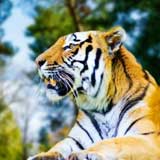
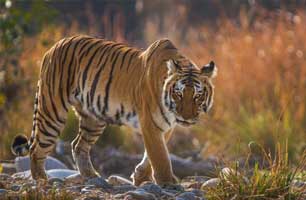
The Jim Corbett National Park is a part of the largest Corbett Tiger Reserve; the Project Tiger lies in the Nainital district of Uttarakhand. The Majestic landscape of Corbett is well-known for its tiger richness. Established in the year 1936 as Hailey National Park, Corbett has the glory of being India’s oldest and most prestigious National Park. It is also being honoured as the place where Project Tiger was first launched in the year 1973. This Unique tiger territory is best known as the father who gave birth to Project Tiger in India to safeguard the most endangered species and the Royal wild animal of India called Tigers.
We Offer Best Services
To ensure quality services at every step of your vacation we go above and beyond. Our highly expert professionals are obsessed with the idea of empowering vacationers with the best deals. We have a team of expert professionals having experience of over a decade in travel and tourism. You may find here an array of ideas empowering the idea of your wildlife holiday.
The Tourist Zones
To promote tourism in this region, the Corbett National Park has been divided into six major different tourism zones. These are the manifested core or buffer areas of the park where visitors can be a part of the wildlife safari and can relish the tempting behaviour of the animals with their bare eyes in the vicinity.
Bijrani Safari Zone : Bijrani Zone is a very popular tourist hub because of its bountiful natural beauty and open grasslands. The entry gate of the zone is located at only 1 Km from Ramnagar city.
Jhirna Safari Zone : Jhirna is another important tourist zone in the Jim Corbett National park which is open for tourists round the year. Jhirna Gate is located at a distance of 16 km from Ramnagar city.
Dhela Safari Zone : Dhela is a new eco-tourism zone in the Corbett National Park which was included in the tiger reserve zone in November 2014. This is the only area in the reserve's buffer zone open for tourists in CTR. The Zone is retaining the attention of a large number of tourists because of its rich biodiversity and is open throughout the year. Also, it is located at an approximate distance of 13 Km from Ramnagar City.
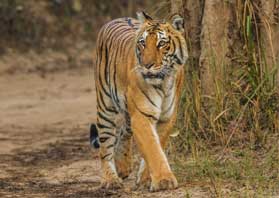
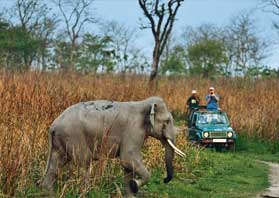
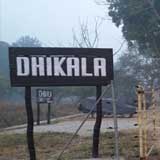
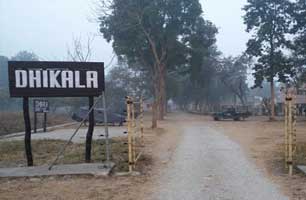
Dhikala Zone : Being the largest and the most diversified jungle safari zone in Corbett, Dhikala is famous for its bountiful natural beauty as well as for offering the best sight for its exotic fauna. The Entry gate is 18 km away from Ramnagar city. Night stay inside the Dhikala Tourism Zone is highly recommended for the hardcore wildlife enthusiasts.
Durga Devi Zone : Located at the north eastern boundary of the Jim Corbett National Park, Durga Devi zone is the heaven on planet earth for those who are fond of bird watching. The Entry gate is located at an approximate distance of 36 km from Ramnagar city.
Sitabani Buffer Zone : Sitabani Zone doesn't fall under the Corbett Tiger Reserve area. But, if you are fond of the serene ambiance of the natural beauty, you must visit the Sitabani area.
Book Your jeep Safari !
Jeep Safari is available only within the Corbett Sanctuary Zone. Though it’s threatening but, you will enjoy the night-time panorama immensely. There are many zones out here that will give you a jeep safari to experience the sights of the region. The Morning Safari timings are from 6:30 AM to 9:30 AM during winter and in summer, 5:30 AM to 8:30 AM. And, the evening safari timings are from 2:30 PM to 5:30 PM during winter and in summer, 3:30 PM to 6:30 PM.
Online Booking
Corbett Tour Packages
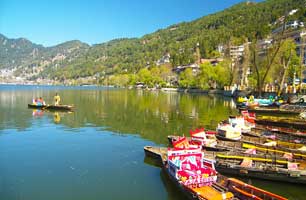
How to Reach Corbett
Ramnagar is perhaps the nearest to approach the Corbett National Park which configures the headquarters of CTR. This small city is well connected by the rail and road networks with the major cities of India like Delhi, Moradabad, Nainital, and Bareilly. Once you reach Ramnagar, then it takes only half an hour to reach Corbett National Park. The Park is around 15 km from Ramnagar railway station.
By Road : Ramnagar has a very good network of roads that connects the different cities. The Corbett National Park is situated at an approximate surface distance of 260 Kilometres from India's national capital, Delhi. The state government of Uttarakhand plies buses at a short interval of time from Delhi, Moradabad, Haldwani, and Nainital which reaches Corbett directly.
By Rail : The Railway station in Ramnagar receives trains from different major cities of India like Delhi, Moradabad, and Bareilly. Also, the Direct train to Ramnagar runs from Delhi. You can go through the various trains arriving, namely, Ranikhet Express, Corbett Link Express, and Kathgodam Express which will take you directly to Ramnagar.
Dhikala Forest Lodge
Jim Corbett National Park is the sole national park in India that offers night stay inside its Jungle. Dhikala forest lodge is a historic structure, having been built hundreds of years ago by the Britishers. This Old rest house is very much popular among tourists. It offers snug accommodation options with breath-taking vistas of flora and fauna. Though it is not very luxurious but the staying experience amidst the jungle is something simply unforgettable. The Tourism inside the park is run and managed by the forest department. Different kinds of accommodation options are available at the Dhikala forest lodge. Apart from the Forest Rest Houses, Cabins, and Hutments, Annexe Dhikala also has 24 bunk beds in Log huts.
Dhikala Booking Procedure
Name, Age, Gender, ID Proof (Passport No., PAN No., Voter ID, Adhaar No.) of tourists needs to be provided along with the confirmatory amount to carry out the further booking process. Availability of the dormitory/rooms shall be confirmed 90 days prior to the date of actual arrival. We are just local tour operators and enhance booking procedure for the forest rest house/ private resorts & hotels. Please note that we are not responsible for the quality of services at the forest rest house which is operated by the forest department. Staying in one of the major forest lodges (Dhikala) in Jim Corbett National Park brings an apex form of wildlife tourism and tranquil moments are unforgettable.
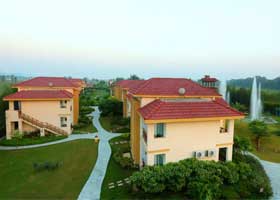
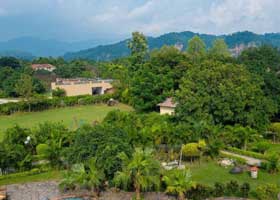
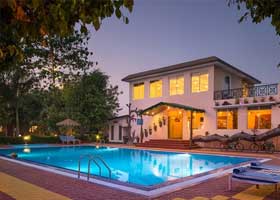
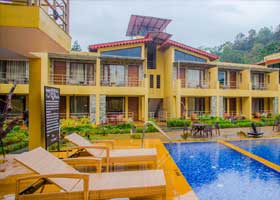
Corbett Hotel & Resort
Corbett National Park is one of the leading tourist destinations in Uttrakhand which allures travelers across the globe. Corbett is embellished with amusing wildlife and an abundance of rich flora and fauna. People come from different regions here for satisfying their adventurous souls. Most of the royal hotels and resorts dotted here for destination weddings for the candid green space as their backdrop. The Organic décor complements superbly and suits best.

Geographical Details about Park
- 1. Total Forest Area – 1318.54 square kilometres
- 2. Core Area – 520 square kilometres
- 3. Type of Forest – Dense moist deciduous forest mainly consists of sal, haldu, peepal, rohini and mango trees
- 4. Rivers – Kosi River, River Ramganga
- 5. Hills – Nainital, Bhimtal, Naukichital, Rishikesh, Sattal
- 6. Temperature – maximum 40 degree Celsius in summer and 8 degree in winter
- 7. Annual Rainfall – The average rainfall of Corbett National Park is 1133mm
Road Distance from Corbett to following Cities
- 1. New Delhi Ramnagar (Jim Corbett Park) via Moradabad 260 Km
- 2. Lucknow Jim Corbett Park via Bareilly, Moradabad 435 Km
- 3. Kanpur Jim Corbett National Park via Farrukhabad, Bareilly, Rampur 460 Km
- 4. Moradabad Jim Corbett Park via Kashipur 95 Km
- 5. Kathgodam Jim Corbett Park via Kaladhungi 55 Km
- 6. Nainital Jim Corbett Park via Kaladhungi 60 Km
- 7. Almora Jim Corbett Park via Nainital 134 Km
- 8. Kausani Ramnagar via Bhikyasan 155 Km
- 9. Ranikhet Ramnagar via Bhikyasan 100 Km
- 10. Ranikhet Ramnagar via Bhikyasan 100 Km
- 11. Ranikhet Ramnagar via Bhikyasan 100 Km
Latest Blog

Fishing and Angling at Jim Corbett Park
Situated in the district of Nainital, Uttarakhand Jim Corbett National...
Read More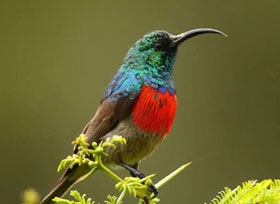
Bird Watching Tour at Jim Corbett
Tiger Sighting and Bird watching go hand in hand at Corbett National...
Read More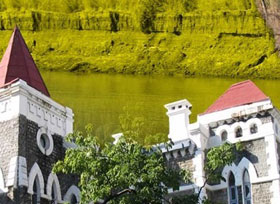
UK High Court Directs State govt to Declare Elephant Safari
Uttarakhand High Court ordered the Central Government to seriously ...
Read More
Wildlife Trip to India’s Oldest National Park
Established as a Hailey National Park in the year of 1936 to protect the ...
Read More