Jim Corbett National Park: The Most Striking Place in India
The world-famous Corbett Tiger Reserve was established in 1936 as India’s first national park. Corbett National Park is dominated by hills, forests and valleys; it derives its name from the legendary British hunter cum conservationist Edward James Corbett (1875-1955), who played a key role in the establishment of the sanctuary. The local people of Kumaon greatly admired Jim Corbett for hunting down tigers and man-eaters that preyed on the villagers. He eventually shot more wildlife with his camera than with his gun and became a prominent voice for conservation. He brought Kumaon on the map with his book – ‘The Man-Eaters of Kumaon’.
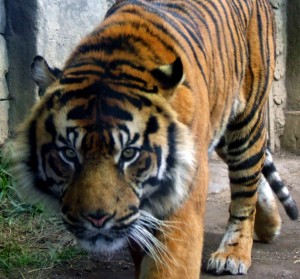
For tourists, going for an exciting Corbett wildlife safari, a little bit of luck is needed for tiger sighting. There are about 220 tigers in the reserve. Wildlife experts suggest the best chance of spotting the majestic big cats is in the hot and dry months, that is, from March to mid-June, when the forest cover is low, and animals come out in this season in search of water. However, it is a bitter fact that sometimes, wildlife enthusiasts may leave disappointed due to zero sightings, although Corbett is known for its healthy tiger territory. Not safari results in spotting tigers.
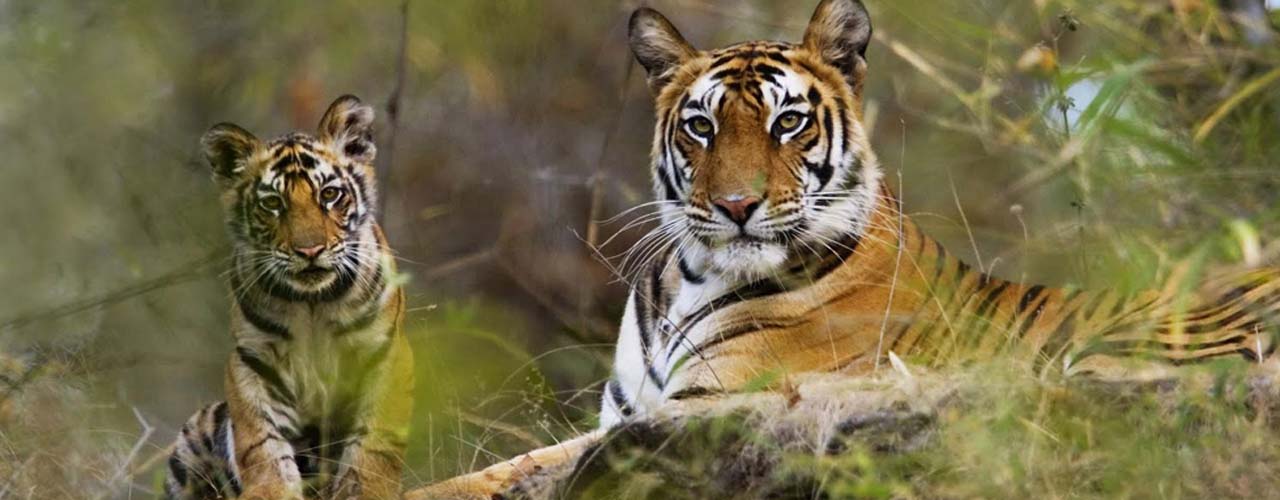
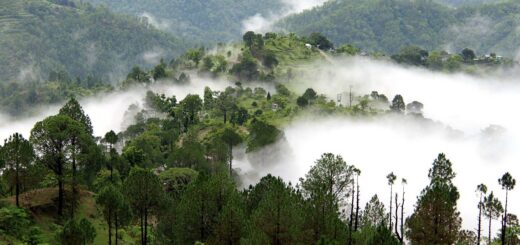
Corbett’s overall extent is 1318 square km, and it is home to a variety of wildlife and birdlife living in the grassland, dense sal forests and aquatic habitats. The beautiful location of Corbett National Park in the foothills of the Himalaya and near the river Ramganga is an added reason to visit the tiger reserve. Apart from the Royal Bengal Tiger, other commonly seen wildlife include wild elephants, sloth bears, langur monkeys, rhesus macaques, peacocks, spotted deer, Sambars, hog deer and barking deer. The long stretch of the Ramganga river attracts a large number of migrating birds, especially from mid- December to the end of March. More than 600 species have been spotted here.