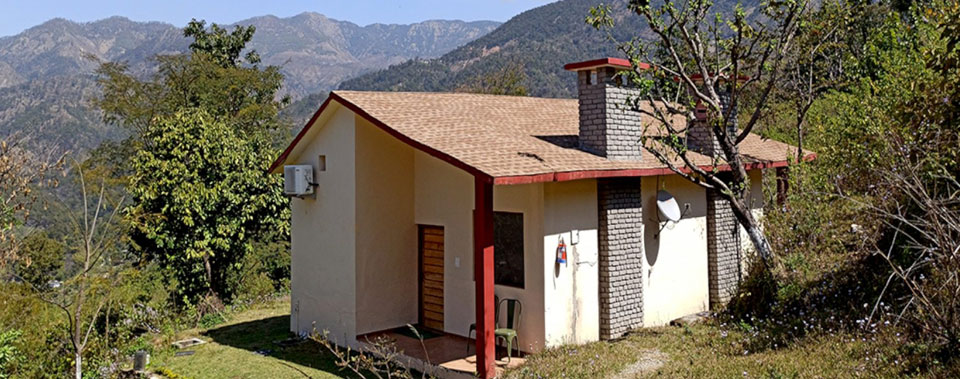
Most wildlife enthusiasts come to Jim Corbett National Park for tigers and busy safaris. Very few know that a quiet village called Rathuadhab, hidden inside the Kalagarh forest region, offers a completely different wildlife experience. It is small, remote, and surrounded by dense trees and hills. There are no luxury hotels or traffic lines here. What you get instead is silence, clean air, and one of the richest bird habitats in North India. The village has only a few hundred families, limited electricity, and almost no mobile signal. Yet every morning, the forest wakes up with hundreds of bird calls layered together like music.
Why Rathuadhab Is Special for Bird Lovers
Rathuadhab is known for its powerful dawn chorus. From late October to early March, mornings start with deep owl hoots, sharp whistles, and soft songs echoing across the valley. Between 5:30 and 7:00 am, the sound changes every few minutes as new species join in. You can hear rock eagle-owls, Asian barred owlets, Himalayan rubythroats, and bright minlas calling from different directions. Many birders have recorded more than 100 species in a single morning walk around the village paths.
Another reason this place stands out is its community effort. Local villagers were trained as bird guides a few years ago. They learned bird calls, nesting habits, and safe tracking methods. Hunting stopped, and native trees were planted again. Today, these guides can spot rare birds hidden in leave and grass with ease. Their knowledge comes from daily forest life, not just books.
A Different Kind of Wilderness
Rathuadhab lies within a protected forest zone in the Kalagarh Tiger Reserve, but stays away from tourist crowds. There are no jeep convoys or noisy engines here. Trails are walked slowly on foot. You might see elephants feeding near streams or fresh leopard pugmarks on forest paths. Sambars graze quietly near water, and the Mandal River flows close to the village. For tourists planning a bird watching trip in India, this village offers something rare.
What You Can Do in Rathuadhab
• Morning Bird Walks Guided walks begin before sunrise and last three to four hours. The pace is slow, with frequent stops to watch movement in trees and bushes. Common sightings include kalij pheasant, silver-eared mesia, black-chinned yuhina, plum-headed parakeet, and verditer flycatcher. Lucky visitors may spot the western hooded pitta or great hornbill. • Evening River Walks The Mandal River attracts wagtails, kingfishers, forktails, and redstarts. The riverbed is peaceful, with smooth stones and clear water. It is a good place to rest and observe smaller birds near sunset. • Night Sounds and Stargazing After dark, there is almost no artificial light. The sky fills with stars. From your seat outside the homestay, you may hear owls, nightjars, and distant elephant calls. Villagers often share stories of forest life over evening tea. • Village Life Experience You stay in simple homestays run by local families. Meals are Garhwali style and freshly cooked. You can see terrace farming, traditional kitchens, and small temples. The experience feels real and personal, not staged.
Best Season for Birds
The winter months from November to February are the best time. Many migrants arrive from higher Himalayan areas, increasing diversity. Fire-tailed sunbirds, orange bullfinches, and various warblers are common then. Summer months bring cuckoos and paradise flycatchers. Some species, like the kalij pheasant and rock eagle-owl, stay all year. While many visitors focus only on Corbett safari booking tickets, Rathuadhab offers a deeper and quieter side of the forest. It is ideal for those who enjoy slow travel, nature sounds, and real village life.
Rathuadhab is not about rushing through sightings. It is about listening, waiting, and noticing small details. Here, the forest speaks through birds, and mornings feel alive in a way that busy safari zones cannot offer.
How to Reach
The nearest railway station is Kotdwar, about 60 km away. From there, a taxi or shared jeep goes via Dugadda. The final stretch is a narrow forest road with streams and tall sal trees. Wildlife crossings are common, so driving slowly is important. Mobile network usually disappears after Dugadda.